Introduction
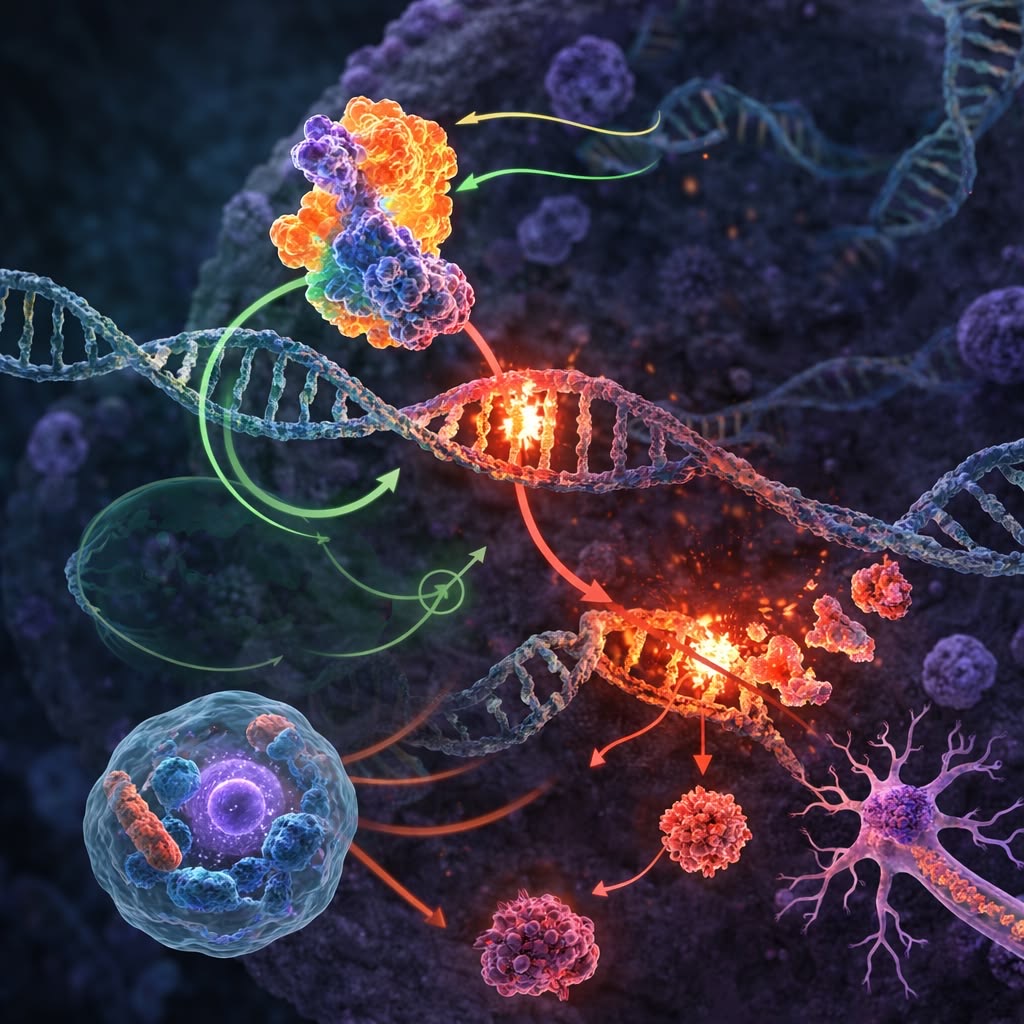
Tirzepatide research peptides have emerged as one of the most significant areas of investigation within modern peptide science. Their distinctive molecular design and dual receptor activity have generated considerable interest across numerous scientific disciplines, including molecular biology, endocrinology, metabolism research, pharmacology, peptide chemistry, and receptor biology.
Unlike peptide analogs that primarily interact with a single receptor system, tirzepatide is investigated because of its interaction with both the glucose-dependent insulinotropic polypeptide (GIP) receptor and the glucagon-like peptide-1 (GLP-1) receptor. This dual receptor profile provides researchers with opportunities to study complex biological signaling pathways, receptor cross-talk, intracellular communication, and metabolic regulation within controlled laboratory environments.
The continued development of peptide engineering has allowed researchers to design modified peptide analogs with enhanced molecular stability and prolonged receptor interaction. Tirzepatide represents one example of these advances, making it an important molecule for laboratory investigations involving receptor pharmacology, molecular signaling, and systems biology.
Modern scientific investigations employ advanced analytical technologies—including chromatography, mass spectrometry, structural characterization, and molecular modeling—to better understand tirzepatide’s biochemical properties and receptor interactions. These studies continue expanding scientific knowledge while supporting innovation within peptide research.
This guide examines tirzepatide research peptides from a laboratory perspective, focusing on molecular characteristics, receptor biology, analytical evaluation, and current research applications.
What Are Tirzepatide Research Peptides?
Tirzepatide research peptides are synthetic peptide analogs investigated in laboratory settings because of their ability to activate both GIP and GLP-1 receptor systems.
Researchers study tirzepatide to better understand peptide-receptor interactions, intracellular signaling pathways, molecular regulation, endocrine communication, and metabolic biology. These investigations contribute to broader scientific understanding of how multiple receptor systems coordinate biological responses under controlled experimental conditions.
Unlike endogenous incretin hormones, tirzepatide incorporates structural modifications that support prolonged receptor interaction during laboratory investigations. This characteristic allows researchers to observe sustained biological signaling and evaluate complex molecular processes across extended experimental timeframes.
Interest in tirzepatide research peptides continues growing as peptide engineering, computational biology, and molecular pharmacology advance, creating new opportunities for laboratory investigation.
Understanding Dual GIP and GLP-1 Receptor Agonists
One of the defining characteristics of tirzepatide is its dual receptor activity.
Researchers investigate tirzepatide because it interacts with:
- Glucose-dependent insulinotropic polypeptide (GIP) receptors
- Glucagon-like peptide-1 (GLP-1) receptors
These receptor systems participate in numerous physiological signaling networks that continue to be investigated across multiple scientific disciplines.
Laboratory investigations commonly examine:
- Receptor activation
- Ligand binding dynamics
- Signal amplification
- Intracellular communication
- Hormonal signaling pathways
- Cellular adaptation mechanisms
Studying dual receptor activation provides valuable opportunities to better understand biological coordination between multiple signaling systems.
Molecular Structure of Tirzepatide
The molecular structure of tirzepatide reflects advances in peptide engineering designed to improve stability and receptor interaction.
Researchers investigate structural characteristics including:
- Amino acid composition
- Molecular conformation
- Structural stability
- Receptor affinity
- Peptide folding
- Binding kinetics
Structural biology investigations help researchers understand how molecular modifications influence receptor interactions and biological signaling.
High-resolution analytical techniques continue providing valuable insights into tirzepatide’s structural characteristics and molecular behavior during laboratory investigations.
Scientific Development of Tirzepatide
The scientific development of tirzepatide reflects decades of progress in peptide engineering, receptor pharmacology, and molecular biology. Researchers have continually explored methods of designing peptide analogs capable of interacting with multiple receptor systems while maintaining favorable molecular characteristics for laboratory investigations.
The development of dual receptor agonists has expanded opportunities for researchers to examine complex signaling networks involving incretin biology, endocrine communication, and metabolic regulation. These advances have contributed to a broader understanding of peptide-receptor interactions and have supported innovation in modern peptide science.
Laboratory investigations continue to evaluate tirzepatide using increasingly sophisticated analytical techniques, computational modeling, and structural biology methods to better understand its molecular behavior and receptor activity.
Continued scientific development is expected to provide additional insights into peptide engineering and receptor pharmacology.
Mechanism of Action in Laboratory Research
One of the primary reasons researchers investigate tirzepatide research peptides is their interaction with two distinct receptor systems under controlled laboratory conditions.
Scientific investigations commonly evaluate:
- Dual receptor activation
- Intracellular signaling pathways
- Cellular communication networks
- Molecular signaling cascades
- Signal amplification
- Receptor regulation mechanisms
Researchers analyze how simultaneous receptor activation influences downstream molecular events and broader biological signaling networks.
These investigations contribute to understanding peptide-mediated cellular communication without extending beyond controlled scientific research.
Receptor Binding Characteristics
Receptor binding investigations help researchers better understand the molecular interactions between tirzepatide and its target receptors.
Laboratory studies commonly evaluate:
- Binding affinity
- Receptor selectivity
- Molecular recognition
- Ligand-receptor interaction dynamics
- Signal initiation
- Binding stability
Advanced analytical techniques allow researchers to investigate these molecular interactions with increasing precision.
Understanding receptor binding characteristics contributes significantly to peptide pharmacology and receptor biology research.
Pharmacological Properties
Researchers continue evaluating the pharmacological characteristics of tirzepatide under laboratory conditions.
Areas of investigation include:
- Molecular stability
- Receptor interaction duration
- Structural integrity
- Biological persistence
- Molecular distribution
- Peptide behavior
These investigations help researchers better characterize peptide properties while supporting ongoing scientific research.
Pharmacological characterization remains an important component of peptide development and molecular investigation.
Laboratory Applications
Tirzepatide research peptides support investigations across numerous scientific disciplines.
Laboratory applications include:
- Molecular biology
- Endocrine research
- Receptor pharmacology
- Cellular biology
- Biochemistry
- Peptide engineering
- Systems biology
Each discipline contributes unique perspectives regarding peptide function and biological regulation.
Modern laboratories continue expanding the scope of tirzepatide research through interdisciplinary collaboration.
Metabolic Research Models
Metabolic biology represents one of the most active areas of tirzepatide research.
Researchers investigate complex biological processes involving:
- Cellular energy regulation
- Metabolic signaling pathways
- Hormonal communication
- Molecular adaptation
- Receptor-mediated regulation
- Integrated biological responses
Experimental models allow researchers to better understand how multiple signaling systems interact within complex biological environments.
These investigations continue expanding scientific knowledge regarding peptide-mediated metabolic regulation.
Endocrine System Research
Researchers also investigate tirzepatide research peptides within endocrine biology.
Laboratory investigations examine:
- Hormone signaling networks
- Endocrine communication
- Receptor interactions
- Cellular signaling mechanisms
- Regulatory pathways
- Molecular coordination
These studies contribute to understanding how peptide-mediated signaling participates in complex endocrine communication.
Continued research supports broader scientific understanding of endocrine physiology.
Cellular Signaling Investigations
Cellular signaling remains one of the most important aspects of tirzepatide research.
Researchers investigate:
- Intracellular communication
- Signal transduction pathways
- Secondary messenger systems
- Protein activation
- Gene expression responses
- Cellular adaptation mechanisms
Understanding these signaling pathways provides valuable insight into complex molecular communication systems.
Cellular signaling research continues driving advances in peptide biology.
Pharmacokinetic Research
Researchers investigate the pharmacokinetic characteristics of tirzepatide to better understand peptide behavior throughout laboratory investigations.
Areas commonly evaluated include:
- Molecular stability
- Distribution characteristics
- Biological persistence
- Structural integrity
- Peptide metabolism
- Clearance mechanisms
Pharmacokinetic investigations help researchers characterize peptide properties while supporting analytical evaluation.
These studies contribute to comprehensive peptide characterization.
Analytical Characterization
Analytical characterization is fundamental to tirzepatide research.
Researchers commonly utilize:
- High-performance liquid chromatography (HPLC)
- Liquid chromatography-mass spectrometry (LC-MS)
- Mass spectrometry
- Peptide sequencing
- Structural characterization
- Molecular analysis
These analytical approaches help verify peptide identity, monitor purity, evaluate structural integrity, and support scientific reproducibility.
Reliable analytical characterization strengthens confidence in laboratory investigations.
Laboratory Documentation
Comprehensive documentation supports every phase of tirzepatide research.
Researchers maintain records covering:
- Experimental protocols
- Analytical findings
- Sample identification
- Storage conditions
- Laboratory observations
- Instrument calibration
- Quality documentation
Accurate documentation improves transparency, traceability, and reproducibility throughout peptide investigations.
Well-maintained records also support long-term scientific integrity.
Future Research Directions
Interest in tirzepatide research peptides continues expanding as peptide science advances.
Emerging research areas include:
- Advanced peptide engineering
- Artificial intelligence-assisted molecular modeling
- Computational receptor simulations
- Multi-target peptide development
- Precision peptide design
- Integrated systems biology
These developments are expected to improve scientific understanding of receptor biology, peptide engineering, and molecular communication.
Future investigations will likely continue expanding the role of tirzepatide within peptide research.
Frequently Asked Questions
What are tirzepatide research peptides?
Tirzepatide research peptides are synthetic peptide analogs investigated in laboratory settings because of their dual interaction with GIP and GLP-1 receptor systems.
Why is tirzepatide important in peptide research?
Researchers investigate tirzepatide because its dual receptor activity provides opportunities to study complex signaling pathways, receptor biology, and molecular communication under controlled laboratory conditions.
Which scientific disciplines utilize tirzepatide research?
Common research areas include molecular biology, endocrinology, receptor pharmacology, biochemistry, systems biology, peptide engineering, and cellular biology.
Which analytical methods are commonly used?
Researchers frequently employ HPLC, LC-MS, mass spectrometry, peptide sequencing, structural characterization, and computational molecular analysis.
Why is documentation important during peptide investigations?
Documentation supports reproducibility, traceability, transparency, scientific integrity, and quality assurance throughout laboratory investigations.
What future areas may tirzepatide research explore?
Future investigations may focus on computational biology, artificial intelligence-assisted peptide design, advanced receptor pharmacology, peptide engineering, and systems biology.
Conclusion
Tirzepatide research peptides continue to represent an important area of modern peptide science because of their unique dual receptor activity and broad laboratory applications. Their interaction with both GIP and GLP-1 receptor systems provides researchers with valuable opportunities to investigate receptor biology, intracellular signaling, endocrine communication, molecular pharmacology, and complex biological regulation.
Modern laboratories utilize advanced analytical technologies, molecular characterization techniques, computational modeling, and carefully designed experimental systems to better understand tirzepatide’s structural and functional properties. These investigations continue expanding scientific knowledge while supporting innovation across peptide research disciplines.
As peptide engineering, computational biology, and molecular pharmacology continue advancing, tirzepatide research peptides are expected to remain an important focus for future laboratory investigations. Through rigorous scientific methodology, analytical precision, and interdisciplinary collaboration, researchers will continue improving understanding of peptide biology and receptor-mediated signaling. Researchers studying cellular antioxidant systems often complement peptide investigations with our Glutathione Peptide product. Laboratories investigating endocrine peptide signaling may also review our HCG Peptide research product. Researchers preparing peptide formulations frequently utilize our BAC Water laboratory product during research workflows.
Researchers can explore protein structures and biological macromolecules through the RCSB Protein Data Bank. Comprehensive peptide and protein information is available through UniProt Knowledgebase. Researchers can access curated biomedical literature through the National Center for Biotechnology Information (NCBI). Researchers can review registered biomedical research studies through ClinicalTrials.gov.