Introduction
Semaglutide research peptides have become one of the most widely investigated peptide compounds in modern biomedical research. Their unique molecular characteristics and interaction with glucagon-like peptide-1 (GLP-1) receptors have generated significant scientific interest across numerous research disciplines, including endocrinology, metabolism, cardiovascular biology, neuroscience, and peptide pharmacology.
As peptide science continues to evolve, researchers increasingly investigate semaglutide to better understand receptor activation, intracellular signaling pathways, metabolic regulation, and long-term physiological responses under controlled laboratory conditions. These investigations contribute to broader scientific knowledge regarding peptide-receptor interactions and biological communication networks.
Unlike many traditional research peptides, semaglutide represents a modified peptide analog designed to exhibit prolonged biological activity under laboratory conditions. This characteristic has made it an important research molecule for studying sustained receptor activation and downstream cellular signaling.
Modern laboratories continue exploring semaglutide research peptides through carefully designed experimental models supported by analytical testing, molecular characterization, receptor biology investigations, and pharmacokinetic assessments. These studies help researchers expand scientific understanding while supporting future discoveries within peptide science.
This guide explores semaglutide research peptides from a scientific perspective, examining their molecular structure, laboratory applications, analytical considerations, and ongoing research opportunities.
What Are Semaglutide Research Peptides?
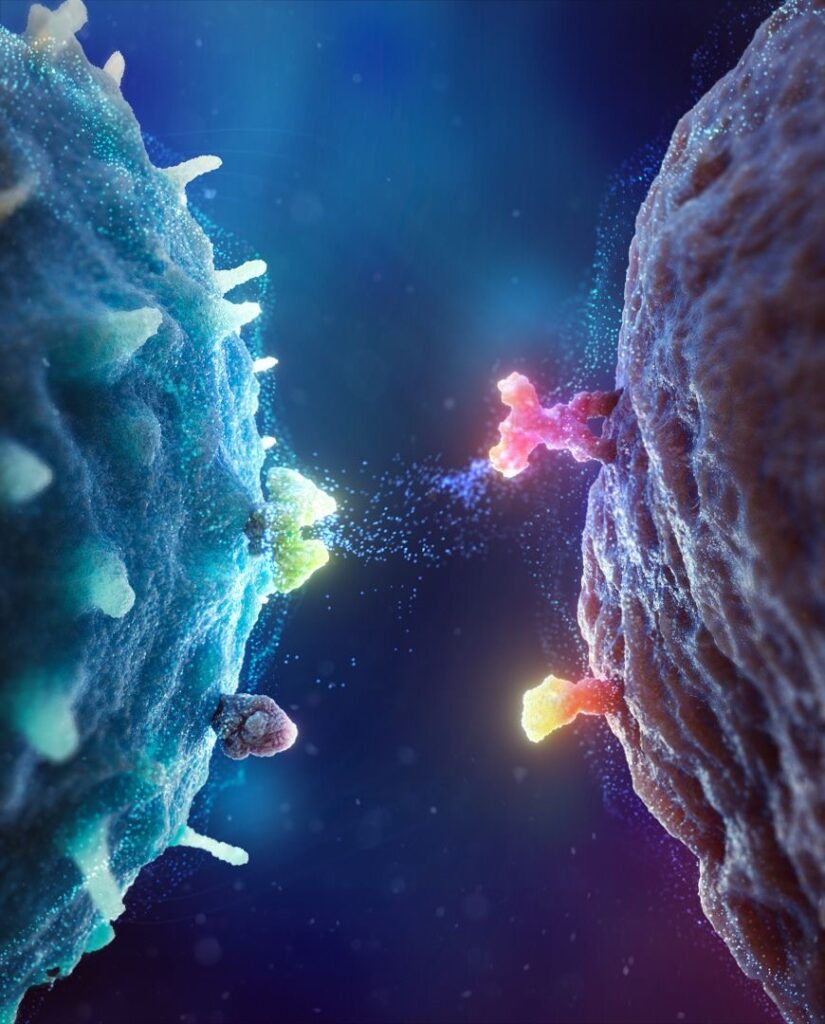
Semaglutide research peptides are synthetic peptide analogs developed for scientific investigation into GLP-1 receptor biology and related physiological pathways.
Researchers study semaglutide because its molecular design allows prolonged interaction with GLP-1 receptors, providing opportunities to observe receptor activation over extended experimental periods. These characteristics make semaglutide useful for investigating cellular communication, endocrine signaling, metabolic regulation, and peptide pharmacology.
Within laboratory settings, semaglutide is evaluated through structured experimental protocols designed to investigate molecular behavior, receptor affinity, signaling cascades, and biological responses. Such investigations help researchers better understand complex physiological systems without drawing conclusions beyond the scope of controlled scientific research.
The growing interest in semaglutide research peptides reflects broader advances in peptide engineering and molecular biology, where modified peptide structures are increasingly explored for their research value.
Understanding GLP-1 Receptor Agonists
Semaglutide belongs to a class of peptide compounds known as glucagon-like peptide-1 receptor agonists.
GLP-1 receptors are widely distributed throughout several biological systems, making them valuable targets for laboratory investigations involving:
- Endocrine signaling
- Metabolic regulation
- Gastrointestinal physiology
- Cardiovascular biology
- Neurobiology
- Cellular communication
Researchers investigate how receptor activation influences intracellular signaling pathways, receptor sensitivity, and physiological responses under controlled laboratory conditions.
Understanding GLP-1 receptor biology provides valuable insights into peptide signaling networks and contributes to broader scientific knowledge regarding hormone-receptor interactions.
Molecular Structure of Semaglutide
Semaglutide is a structurally modified peptide designed to exhibit enhanced stability and prolonged receptor interaction compared with endogenous GLP-1.
Its molecular modifications have attracted significant scientific interest because they allow researchers to investigate prolonged peptide-receptor interactions and sustained biological signaling.
Researchers examine structural characteristics including:
- Amino acid sequence modifications
- Molecular stability
- Receptor affinity
- Structural conformation
- Peptide folding
- Binding characteristics
Structural investigations contribute to understanding how molecular modifications influence peptide behavior during laboratory research.
Scientific Development of Semaglutide
The development of semaglutide reflects decades of research into peptide engineering, receptor biology, and molecular pharmacology.
Scientists have investigated methods for improving peptide stability, extending biological activity, and enhancing receptor interactions through targeted molecular modifications.
Research surrounding semaglutide continues expanding as investigators examine new laboratory applications involving receptor biology, peptide engineering, molecular signaling, and systems biology.
These ongoing investigations contribute to a growing body of scientific knowledge regarding peptide-based molecular research.
Mechanism of Action in Laboratory Research
One of the primary reasons researchers investigate semaglutide research peptides is their interaction with GLP-1 receptors.
Laboratory investigations commonly evaluate:
- Receptor activation
- Signal transduction
- Intracellular communication
- Molecular response pathways
- Receptor sensitivity
- Downstream signaling mechanisms
Researchers use these investigations to better understand biological communication systems and peptide-mediated signaling events.
Rather than focusing on isolated molecular events, modern laboratories increasingly evaluate semaglutide within broader biological networks to understand how receptor activation influences interconnected cellular processes.
Receptor Binding Characteristics
Semaglutide demonstrates specific receptor-binding properties that researchers investigate through biochemical and molecular analytical techniques.
Areas commonly examined include:
- Binding affinity
- Receptor specificity
- Molecular interaction dynamics
- Signal amplification
- Cellular responsiveness
These investigations help researchers develop a deeper understanding of peptide-receptor interactions and molecular communication.
Laboratory Applications of Semaglutide Research
Semaglutide research peptides continue to support investigations across multiple scientific disciplines.
Current laboratory research areas include:
- Molecular biology
- Endocrine research
- Metabolic investigations
- Cellular signaling studies
- Peptide pharmacology
- Receptor biology
- Systems biology
Each area contributes unique insights into peptide function while expanding scientific understanding of complex biological systems.
Metabolic Research Models
Semaglutide research peptides have become valuable tools for investigating metabolic regulation within controlled laboratory environments. Researchers use experimental models to study how GLP-1 receptor activation influences complex metabolic signaling pathways and physiological processes.
Scientific investigations commonly evaluate:
- Energy regulation pathways
- Glucose metabolism signaling
- Hormonal communication networks
- Cellular metabolic responses
- Molecular adaptation mechanisms
- Receptor-mediated biological activity
These investigations help researchers develop a deeper understanding of metabolic biology while contributing to broader peptide research.
Modern laboratory models continue expanding scientific knowledge regarding peptide-mediated metabolic regulation.
Endocrine System Research
The endocrine system represents another important area of semaglutide peptide research.
Researchers investigate how GLP-1 receptor activation participates in hormone signaling networks involving multiple organs and regulatory systems.
Laboratory investigations often focus on:
- Hormone signaling pathways
- Endocrine communication
- Cellular receptor interactions
- Regulatory feedback systems
- Peptide-mediated biological responses
Understanding endocrine communication provides valuable information regarding the coordination of physiological systems under laboratory conditions.
These investigations continue supporting advances in peptide endocrinology research.
Cardiovascular Research Applications
Researchers also investigate semaglutide within cardiovascular biology to better understand peptide-receptor interactions affecting cardiovascular physiology.
Areas of investigation include:
- Vascular signaling pathways
- Endothelial biology
- Cellular communication
- Molecular adaptation
- Cardiovascular regulatory mechanisms
These laboratory investigations seek to improve scientific understanding of peptide interactions within cardiovascular research models.
Continued research contributes to expanding knowledge regarding complex biological signaling systems.
Neuroscience Research Opportunities
Semaglutide research peptides continue attracting attention within neuroscience laboratories due to the widespread distribution of GLP-1 receptors throughout the nervous system.
Researchers investigate:
- Neuronal signaling
- Neuroendocrine communication
- Synaptic regulation
- Cellular communication pathways
- Brain receptor biology
- Molecular signaling networks
Laboratory investigations provide valuable insights into how peptide-mediated signaling contributes to neurological research.
These studies continue expanding scientific understanding of peptide activity within complex neural systems.
Cellular Signaling Studies
Cellular signaling remains one of the most active areas of semaglutide research.
Scientists investigate how receptor activation initiates intracellular communication pathways that influence cellular behavior.
Research areas include:
- Signal transduction
- Intracellular messenger systems
- Protein activation pathways
- Gene expression responses
- Cellular adaptation mechanisms
Understanding cellular signaling allows researchers to better interpret complex molecular interactions observed during laboratory investigations.
These findings contribute significantly to peptide biology research.
Pharmacokinetic Research
Laboratory investigations frequently evaluate the pharmacokinetic characteristics of semaglutide research peptides.
Researchers study:
- Molecular distribution
- Stability characteristics
- Biological persistence
- Metabolic processing
- Clearance pathways
These investigations improve scientific understanding of peptide behavior throughout controlled research environments.
Pharmacokinetic studies remain an essential component of peptide characterization.
Analytical Evaluation
Comprehensive analytical evaluation supports reliable semaglutide research.
Researchers commonly utilize analytical approaches such as:
- High-performance liquid chromatography (HPLC)
- Liquid chromatography-mass spectrometry (LC-MS)
- Mass spectrometry
- Peptide sequencing
- Molecular characterization
- Structural analysis
Analytical investigations help verify peptide identity, monitor molecular integrity, and evaluate experimental consistency.
Reliable analytical methods strengthen confidence in laboratory findings.
Laboratory Documentation
Accurate documentation supports every stage of semaglutide research.
Researchers maintain records regarding:
- Experimental procedures
- Analytical findings
- Sample identification
- Storage conditions
- Laboratory observations
- Quality assessments
Comprehensive documentation improves transparency while supporting reproducibility and scientific accountability.
Well-maintained records remain essential throughout peptide investigations.
Future Research Directions
Scientific interest in semaglutide research peptides continues expanding as peptide biology advances.
Emerging areas of investigation include:
- Next-generation peptide engineering
- Multi-receptor peptide analogs
- Artificial intelligence-assisted molecular modeling
- Advanced computational biology
- Precision peptide design
- Integrated systems biology
Future investigations are expected to further improve scientific understanding of peptide-receptor interactions and molecular regulation.
Continued innovation will likely strengthen peptide research methodologies across numerous scientific disciplines.
Frequently Asked Questions
What are semaglutide research peptides?
Semaglutide research peptides are synthetic GLP-1 receptor agonist analogs investigated in laboratory settings to better understand receptor biology, molecular signaling, and peptide-mediated physiological processes.
Why do researchers study semaglutide?
Researchers investigate semaglutide because of its prolonged interaction with GLP-1 receptors, allowing detailed study of receptor activation, intracellular signaling, and biological communication under controlled laboratory conditions.
What laboratory disciplines utilize semaglutide research?
Semaglutide research is commonly performed in molecular biology, endocrinology, metabolism research, neuroscience, cardiovascular biology, peptide pharmacology, and receptor biology laboratories.
Which analytical methods are commonly used?
Researchers frequently utilize HPLC, LC-MS, mass spectrometry, peptide sequencing, structural characterization, and molecular analytical techniques.
Why is documentation important during peptide research?
Documentation supports reproducibility, transparency, traceability, quality assurance, and scientific accountability throughout laboratory investigations.
What areas may future semaglutide research explore?
Future research may investigate advanced peptide engineering, receptor biology, computational modeling, artificial intelligence-assisted peptide design, and systems biology approaches.
Conclusion
Semaglutide research peptides continue to play an important role in advancing scientific understanding of GLP-1 receptor biology, molecular signaling, peptide pharmacology, and complex physiological systems. Their unique structural characteristics and prolonged receptor interactions have made them valuable tools across numerous laboratory disciplines, including endocrinology, metabolism research, neuroscience, cardiovascular biology, and molecular biology.
Modern laboratory investigations employ advanced analytical technologies, structured documentation systems, molecular characterization techniques, and carefully designed experimental models to better understand semaglutide’s biological behavior. These investigations contribute significantly to expanding scientific knowledge while supporting future peptide research innovations.
As peptide science continues evolving, semaglutide research peptides will likely remain an important focus within biomedical research, helping scientists explore increasingly sophisticated questions involving receptor biology, intracellular signaling, molecular regulation, and integrated physiological systems.
Through rigorous scientific methodology, analytical precision, and ongoing innovation, semaglutide research continues contributing to the broader advancement of peptide science and laboratory research. Researchers investigating long-acting peptide analogs may also find our Retatrutide Research Peptide valuable for comparative laboratory studies. Researchers studying regenerative biology often compare findings with our BPC-157 Research Peptide in separate experimental models. For investigations involving tissue regeneration pathways, researchers frequently explore our TB-500 Research Peptide.
Researchers can review peptide sequence information through PubChem. Comprehensive biomedical literature is available through MEDLINE via PubMed. Researchers can explore ongoing scientific studies through ClinicalTrials.gov. Protein sequence and functional information can be explored through NCBI Protein.