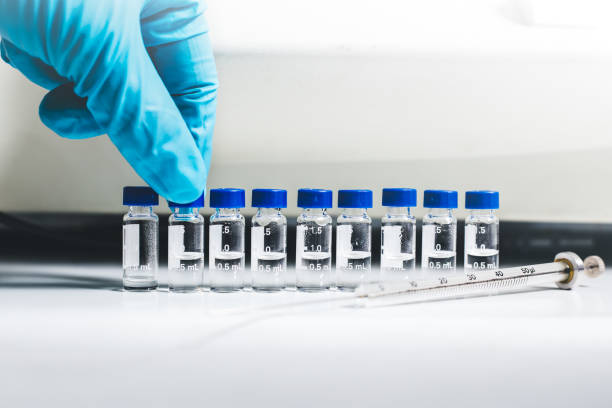
Introduction
Peptide testing procedures are essential for ensuring the quality, consistency, and reliability of peptide materials used in scientific research. Researchers rely on analytical testing to verify peptide identity, evaluate purity, monitor stability, and confirm that materials meet established laboratory standards.
As peptide research continues advancing, testing procedures have become increasingly sophisticated. Modern laboratories employ a combination of chromatographic analysis, mass spectrometry, stability assessments, quality control programs, and documentation systems to evaluate peptide materials thoroughly.
Comprehensive testing procedures help researchers identify potential issues before peptide materials are incorporated into experimental workflows. These evaluations contribute significantly to reproducibility, analytical confidence, and scientific integrity.
Understanding peptide testing procedures allows researchers to strengthen laboratory practices and improve confidence in research findings.
What Are Peptide Testing Procedures?
Peptide testing procedures are the analytical and quality assurance methods used to evaluate peptide materials throughout their lifecycle.
These procedures help researchers verify identity, assess purity, monitor stability, identify impurities, review documentation, and maintain quality standards.
By implementing comprehensive testing procedures, laboratories can improve consistency and support reliable scientific outcomes.
Why Testing Procedures Matter
Effective testing procedures provide several important benefits:
- Improved reproducibility
- Better analytical accuracy
- Stronger quality assurance
- Reduced variability
- Enhanced scientific confidence
- Greater operational consistency
These advantages make testing procedures a fundamental aspect of modern peptide research.
Procedure 1: Sample Identification
Sample identification confirms that peptide materials are correctly labeled and traceable throughout laboratory operations.
Accurate identification helps prevent sample mix-ups and supports reliable research outcomes.
Procedure 2: Sample Preparation
Sample preparation ensures that peptide materials are properly prepared for analytical testing.
Standardized preparation procedures help minimize variability and improve testing accuracy.
Procedure 3: Chromatographic Testing
Chromatographic testing helps researchers evaluate peptide purity, identify impurities, and assess sample consistency.
High-performance liquid chromatography remains one of the most widely used chromatographic techniques in peptide analysis.
Procedure 4: Mass Spectrometry Verification
Mass spectrometry provides highly accurate molecular information that helps confirm peptide identity and composition.
This technique remains essential for modern peptide testing programs.
Procedure 5: Purity Evaluation
Purity evaluation determines the proportion of desired peptide relative to impurities and byproducts.
Researchers rely on purity testing to verify that materials meet required specifications before laboratory use.
Procedure 6: Stability Assessment
Stability assessment evaluates how peptide materials respond to environmental conditions over time.
Researchers examine factors such as temperature exposure, humidity, oxidation, light exposure, and storage duration to determine whether peptide materials remain suitable for research use.
Stability studies help laboratories establish storage recommendations and improve long-term quality management programs.
Understanding stability characteristics contributes significantly to reliable scientific outcomes.
Procedure 7: Oxidation Monitoring
Oxidation can affect peptide integrity and influence analytical performance.
Certain amino acids are more susceptible to oxidation than others, making routine monitoring an important component of peptide testing procedures.
Researchers use oxidation assessments to identify potential degradation and evaluate storage effectiveness.
Strong oxidation monitoring programs help preserve peptide quality and reduce experimental variability.
Procedure 8: Moisture Evaluation
Moisture content can significantly influence peptide stability and shelf life.
Excess moisture may contribute to degradation and affect analytical results.
Researchers perform moisture evaluations to verify that peptide materials remain within acceptable specifications throughout storage and laboratory use.
Proper moisture control supports quality preservation and long-term sample reliability.
Procedure 9: Batch Verification
Researchers frequently utilize peptide materials from multiple production lots.
Batch verification procedures help ensure consistency across manufacturing batches by evaluating:
- Identity
- Purity
- Stability
- Analytical performance
- Quality metrics
Strong batch consistency supports reproducibility and improves confidence in scientific findings.
Procedure 10: Documentation Review
Documentation review helps maintain traceability throughout peptide testing programs.
Researchers evaluate records related to:
- Analytical testing
- Stability studies
- Storage conditions
- Quality assessments
- Sample handling
- Equipment verification
Comprehensive documentation supports transparency and contributes to quality assurance efforts.
Strong recordkeeping practices remain essential components of scientific research.
Procedure 11: Quality Control Testing
Quality control testing helps verify that peptide materials continue meeting established standards.
Researchers assess factors such as:
- Identity verification
- Purity confirmation
- Stability performance
- Documentation accuracy
- Batch consistency
Quality control procedures provide an additional layer of protection against variability and support reliable laboratory outcomes.
Strong quality control systems contribute significantly to scientific confidence.
Procedure 12: Data Analysis
Analytical testing generates extensive datasets that require careful interpretation.
Researchers analyze chromatograms, mass spectra, purity reports, stability studies, and quality control results to evaluate peptide materials comprehensively.
Accurate data analysis helps laboratories make informed decisions regarding sample quality and research suitability.
Advanced software platforms increasingly assist researchers in managing complex analytical information.
Procedure 13: Equipment Verification
Laboratory instruments must perform consistently to produce reliable analytical results.
Researchers conduct equipment verification activities including:
- Calibration checks
- Performance assessments
- Preventive maintenance
- Accuracy verification
- Documentation review
Proper equipment management contributes significantly to analytical reliability and quality assurance.
Procedure 14: Compliance Assessment
Compliance assessment helps ensure that testing procedures align with established quality standards and laboratory requirements.
Researchers review testing methods, documentation systems, analytical procedures, and quality assurance activities to verify compliance.
Compliance programs help maintain consistency, accountability, and operational excellence.
These assessments contribute to stronger quality management systems.
Procedure 15: Continuous Quality Improvement
Continuous quality improvement focuses on strengthening testing procedures over time.
Researchers evaluate operational performance, quality metrics, testing outcomes, and analytical trends to identify opportunities for enhancement.
Improvement initiatives often include:
- Method optimization
- Staff development
- Equipment upgrades
- Documentation improvements
- Process refinement
Continuous improvement helps laboratories adapt to evolving scientific requirements while maintaining high standards.
Common Testing Challenges
Despite advances in analytical technology, researchers continue encountering several challenges during peptide testing.
One common challenge involves detecting low-level impurities that may influence experimental outcomes.
Analytical complexity can also create difficulties when interpreting large volumes of testing data.
Researchers must additionally manage issues related to stability, environmental exposure, equipment calibration, and documentation accuracy.
Maintaining consistency across testing programs remains a major objective for many laboratories.
Comprehensive quality systems help researchers address these challenges while supporting reliable scientific outcomes.
Future Trends in Peptide Testing
Peptide testing continues evolving through advances in automation, artificial intelligence, analytical instrumentation, and digital quality management systems.
Automated testing platforms improve efficiency and reduce human error.
Artificial intelligence technologies are beginning to assist researchers with data interpretation, trend identification, and predictive quality monitoring.
Advanced analytical instruments continue improving sensitivity, accuracy, and throughput.
Digital documentation platforms are enhancing traceability and simplifying quality management activities.
These innovations are expected to further strengthen peptide testing procedures and support future scientific discoveries.
Frequently Asked Questions
What are peptide testing procedures?
Peptide testing procedures are analytical and quality assurance methods used to evaluate peptide identity, purity, stability, consistency, and overall quality.
Why are testing procedures important?
Testing procedures help improve reproducibility, reduce variability, strengthen quality assurance, and support reliable scientific outcomes.
Which analytical methods are commonly used?
Chromatography, mass spectrometry, stability assessments, purity testing, and quality control evaluations are among the most commonly used methods.
How does testing improve reproducibility?
Testing ensures that peptide materials consistently meet predefined specifications, reducing variability and improving reliability.
Why is stability assessment necessary?
Stability assessments help researchers understand how environmental conditions affect peptide quality over time.
What role does quality control play?
Quality control helps verify that peptide materials remain suitable for scientific investigations and continue meeting established standards.
Conclusion
Peptide testing procedures form the foundation of modern peptide quality assessment and scientific research. Through sample identification, chromatographic testing, mass spectrometry verification, purity evaluation, stability assessment, quality control testing, and compliance review, researchers gain confidence in the materials used throughout laboratory investigations.
Comprehensive testing programs help improve reproducibility, strengthen analytical reliability, and support meaningful scientific outcomes. Strong documentation practices, effective quality management systems, and continuous improvement initiatives further enhance laboratory performance.
As technology continues advancing, peptide testing procedures will become increasingly sophisticated, providing researchers with greater precision, efficiency, and analytical confidence.
Laboratories that implement comprehensive testing programs will remain well-positioned to support scientific innovation and long-term research success. Researchers interested in research standards should review our Peptide Research Standards guide. Additional analytical information can be found in our Peptide Analysis Methods article. Researchers can learn more about quality management through our Peptide Quality Assurance guide. Laboratory testing principles are discussed in our Peptide Laboratory Testing article. Researchers seeking scientific materials can browse our Research Peptides Shop.
Researchers can access scientific literature through Europe PMC. Additional research resources are available through the National Center for Biotechnology Information. Researchers can explore molecular biology databases through GenBank. Scientific sequence resources can be accessed through RefSeq.