Introduction
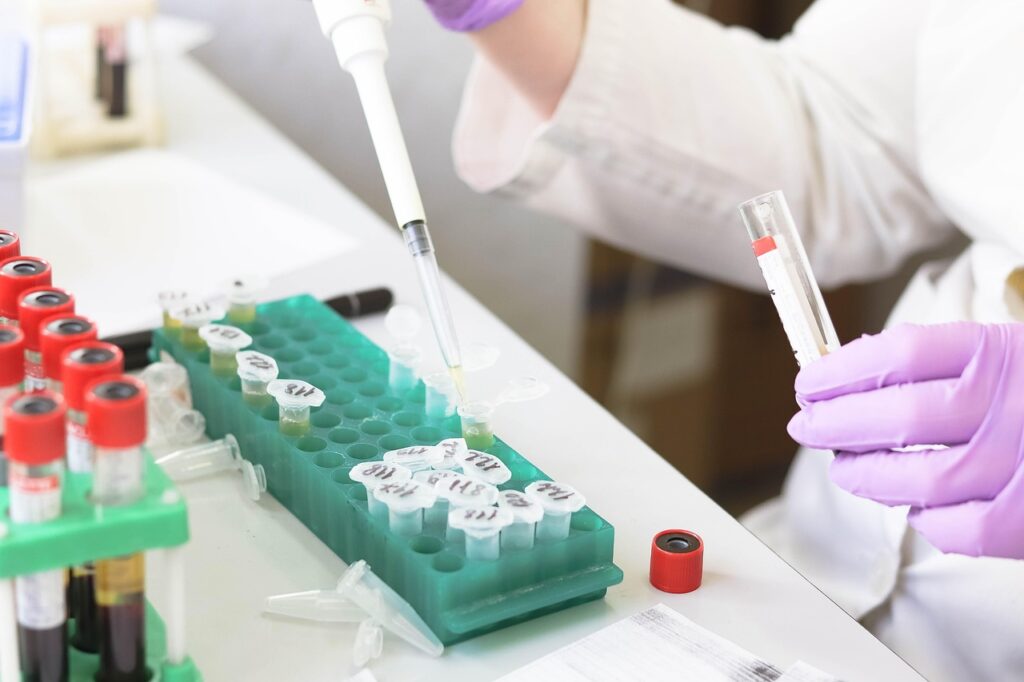
Peptide analysis methods play a critical role in modern scientific research. Researchers rely on analytical techniques to evaluate peptide identity, purity, stability, composition, and overall quality before incorporating peptide materials into laboratory investigations.
As peptide science continues advancing, analytical requirements have become increasingly sophisticated. Laboratories require precise testing methods capable of detecting impurities, confirming molecular identity, evaluating stability characteristics, and supporting reproducible scientific outcomes.
Modern peptide analysis incorporates a variety of advanced technologies, including chromatography, mass spectrometry, amino acid analysis, stability testing, and quality verification procedures. Together, these techniques provide researchers with a comprehensive understanding of peptide materials and their suitability for specific research applications.
The growing demand for reliable scientific data has increased the importance of analytical accuracy. Researchers must ensure that peptide materials meet established specifications before they are used in experimental workflows.
Understanding peptide analysis methods helps scientists make informed decisions regarding research materials, improve laboratory reliability, and strengthen confidence in experimental findings.
What Are Peptide Analysis Methods?
Peptide analysis methods are the scientific techniques used to evaluate the physical, chemical, and analytical characteristics of peptide materials.
These methods help researchers determine identity, purity, molecular composition, stability, and overall quality. Analytical testing provides essential information that supports quality assurance programs and improves reproducibility throughout scientific research.
Researchers utilize multiple analytical methods because no single technique provides complete information regarding peptide quality. Combining several testing approaches allows scientists to obtain a more comprehensive understanding of peptide materials.
Why Peptide Analysis Is Important
Peptide analysis supports scientific research by helping laboratories:
- Verify peptide identity
- Assess purity levels
- Detect impurities
- Monitor stability
- Confirm consistency
- Support reproducibility
These benefits make analytical testing an essential component of modern peptide research.
Method 1: Chromatographic Analysis
Chromatographic analysis separates components within peptide samples and helps researchers identify impurities, evaluate purity, and assess sample consistency.
This analytical approach remains one of the most widely used peptide testing methods in research laboratories.
Method 2: High-Performance Liquid Chromatography
High-performance liquid chromatography (HPLC) is considered one of the most important peptide analysis methods.
Researchers use HPLC to separate peptide components, evaluate purity, detect contaminants, and monitor production consistency.
The high sensitivity and precision of HPLC make it an essential tool for peptide quality assessment.
Method 3: Mass Spectrometry
Mass spectrometry provides highly accurate molecular weight information that helps researchers confirm peptide identity and composition.
Modern mass spectrometry systems offer exceptional sensitivity and are widely used throughout peptide research and quality assurance programs.
Method 4: Amino Acid Analysis
Amino acid analysis helps researchers verify peptide composition by evaluating the amino acids present within a sample.
This technique provides valuable information regarding sequence composition and supports identity verification efforts.
Method 5: Purity Assessment
Purity assessment determines the proportion of desired peptide relative to impurities and byproducts.
Researchers use purity testing to ensure that peptide materials meet required specifications before laboratory use.
Method 6: Identity Verification
Identity verification confirms that a peptide sample matches its intended molecular structure and amino acid sequence.
Researchers use analytical methods such as mass spectrometry, chromatographic comparison, and amino acid analysis to verify molecular identity.
Accurate identity verification helps prevent sample mix-ups and supports reliable scientific outcomes. Laboratories often consider identity testing one of the most important peptide analysis methods because it establishes confidence in the material being evaluated.
Identity verification contributes significantly to reproducibility and quality assurance programs.
Method 7: Impurity Profiling
Impurity profiling helps researchers identify unwanted substances that may be present within peptide samples.
Potential impurities may include:
- Incomplete peptide sequences
- Synthesis byproducts
- Degradation products
- Trace contaminants
- Environmental contaminants
Understanding impurity profiles helps laboratories evaluate overall peptide quality and determine suitability for research applications.
Comprehensive impurity profiling strengthens analytical reliability and supports scientific confidence.
Method 8: Stability Testing
Stability testing evaluates how peptide materials respond to environmental conditions over time.
Researchers investigate factors such as:
- Temperature exposure
- Moisture levels
- Light exposure
- Oxidation
- Storage duration
These evaluations help establish storage recommendations and improve long-term quality management.
Stability testing remains an essential component of peptide analysis because it provides insight into sample longevity and performance.
Method 9: Oxidation Monitoring
Oxidation can significantly affect peptide integrity and analytical performance.
Certain amino acids are particularly susceptible to oxidation, making routine monitoring an important aspect of quality assurance.
Researchers use oxidation assessments to detect chemical changes that may influence experimental outcomes.
Monitoring oxidation helps laboratories maintain sample quality and reduce unexpected variability.
Method 10: Moisture Analysis
Moisture content plays an important role in peptide stability.
Excess moisture may contribute to degradation, reduce shelf life, and affect analytical results.
Researchers perform moisture analysis to ensure that peptide materials remain within acceptable specifications throughout storage and laboratory use.
Proper moisture control supports quality preservation and long-term sample reliability.
Method 11: Batch Comparison Testing
Researchers frequently use peptide materials from multiple production batches.
Batch comparison testing helps ensure that peptide characteristics remain consistent across different manufacturing lots.
Analytical evaluations often focus on:
- Identity
- Purity
- Stability
- Composition
- Performance
Strong batch consistency contributes to reproducibility and strengthens confidence in scientific findings.
Method 12: Documentation Review
Documentation review supports traceability and quality assurance throughout peptide research programs.
Researchers maintain records covering:
- Analytical testing
- Quality assessments
- Storage conditions
- Sample handling
- Stability studies
- Experimental observations
Comprehensive documentation helps laboratories investigate potential issues and maintain transparency.
Strong recordkeeping practices contribute significantly to scientific integrity.
Method 13: Data Interpretation
Analytical testing generates extensive datasets that must be interpreted accurately.
Researchers analyze chromatograms, mass spectra, purity reports, stability studies, and quality control records to evaluate peptide materials.
Accurate interpretation helps scientists make informed decisions regarding sample quality and experimental suitability.
Advanced software systems increasingly assist laboratories in managing and evaluating complex analytical information.
Method 14: Quality Verification
Quality verification confirms that peptide materials satisfy predefined acceptance criteria.
Researchers evaluate:
- Identity
- Purity
- Stability
- Consistency
- Documentation accuracy
- Analytical performance
These assessments provide confidence that peptide materials remain suitable for scientific investigations.
Quality verification serves as a final checkpoint before peptides are incorporated into laboratory workflows.
Method 15: Continuous Improvement
Continuous improvement focuses on strengthening analytical programs over time.
Researchers review testing outcomes, operational performance, quality metrics, and analytical trends to identify opportunities for optimization.
Continuous improvement initiatives may include:
- Method refinement
- Equipment upgrades
- Staff training
- Documentation improvements
- Process optimization
These efforts help laboratories maintain high standards while adapting to evolving scientific requirements.
Common Analysis Challenges
Despite advances in analytical technology, researchers continue encountering several challenges during peptide analysis.
One common challenge involves detecting extremely low-level impurities that may influence experimental outcomes.
Analytical complexity can also create difficulties when interpreting large volumes of testing data.
Researchers must additionally manage issues related to stability, environmental exposure, instrument calibration, and documentation accuracy.
Maintaining consistency across analytical methods remains an ongoing priority for many laboratories.
Strong quality systems help address these challenges while supporting reliable scientific outcomes.
Future Trends in Peptide Analysis
Peptide analysis continues evolving rapidly as new technologies emerge.
Automation systems are improving laboratory efficiency and reducing human error.
Artificial intelligence is beginning to assist researchers with data interpretation, pattern recognition, and predictive quality monitoring.
Advanced analytical instruments continue increasing sensitivity and precision, allowing researchers to characterize peptide materials more thoroughly than ever before.
Digital laboratory platforms are enhancing documentation management, traceability, and collaboration.
These innovations are expected to further strengthen peptide analysis programs and support future scientific discoveries.
Frequently Asked Questions
What are peptide analysis methods?
Peptide analysis methods are scientific techniques used to evaluate peptide identity, purity, stability, composition, and overall quality.
Why is peptide analysis important?
Analysis helps researchers verify quality, reduce variability, improve reproducibility, and support reliable scientific outcomes.
Which analytical method is most commonly used?
High-performance liquid chromatography (HPLC) is one of the most widely used peptide analysis methods because it provides detailed purity information.
What role does mass spectrometry play?
Mass spectrometry helps confirm peptide identity and molecular composition through highly accurate molecular weight measurements.
Why is stability testing necessary?
Stability testing helps researchers understand how environmental conditions affect peptide quality over time.
How does quality verification improve research?
Quality verification ensures that peptide materials meet predefined standards before they are used in scientific investigations.
Conclusion
Peptide analysis methods form the foundation of modern peptide quality assessment and scientific research. Through chromatographic analysis, mass spectrometry, amino acid analysis, purity testing, stability evaluation, impurity profiling, and quality verification, researchers gain valuable insights into peptide characteristics and performance.
These analytical techniques help laboratories maintain confidence in research materials, reduce variability, and improve reproducibility. Strong analytical programs also support quality assurance initiatives and contribute to scientific integrity.
As technology continues advancing, peptide analysis methods will become increasingly sophisticated, providing researchers with even greater analytical precision and reliability.
Laboratories that implement comprehensive analytical strategies will remain well-positioned to support innovation, scientific discovery, and long-term research success. Researchers interested in laboratory procedures should review our Peptide Laboratory Testing guide. Additional quality management information can be found in our Peptide Quality Assurance article. Researchers can learn more about manufacturing procedures through our Peptide Synthesis Process guide. Practical laboratory applications are discussed in our Peptide Research Applications article. Researchers seeking scientific materials can browse our Research Peptides Shop.
Researchers can access scientific data resources through the Research Collaboratory for Structural Bioinformatics. Scientific publications covering analytical chemistry research are available through Analytical Chemistry. Researchers can explore protein structure resources through PDBe. Additional biomedical literature and scientific databases can be accessed through Europe PMC.