Introduction
Peptide purity testing is one of the most important components of modern laboratory research. Researchers rely on peptide materials for a wide range of scientific applications, including molecular biology studies, receptor interaction investigations, protein analysis, biochemical research, and analytical testing. The accuracy and reliability of these studies often depend on the quality and purity of the peptides being used.
Purity testing helps researchers determine whether a peptide sample meets established quality standards before it is incorporated into laboratory experiments. By evaluating purity levels, scientists can identify contaminants, incomplete sequences, degradation products, and other impurities that may affect research outcomes. These evaluations support reproducibility, improve confidence in experimental findings, and contribute to overall scientific integrity.
As peptide technology continues to advance, laboratories have access to increasingly sophisticated testing methods capable of providing detailed information about peptide composition and quality. Understanding these methods allows researchers to make informed decisions regarding peptide selection, quality assurance procedures, and experimental design.
This guide explores the most important concepts related to peptide purity testing, including analytical techniques, impurity identification, quality verification procedures, laboratory documentation, and emerging trends in peptide analysis.
What Is Peptide Purity Testing?
Peptide purity testing refers to the collection of analytical procedures used to evaluate the composition and quality of peptide materials. The goal of purity testing is to determine the percentage of the desired peptide sequence present within a sample while identifying any impurities or unwanted byproducts.
Peptides are produced through complex synthesis processes that may generate side products, incomplete sequences, or contaminants. Even when manufacturing procedures are carefully controlled, analytical verification remains essential for confirming product quality.
Purity testing provides researchers with valuable information regarding sample composition. These data help laboratories assess whether peptide materials meet the specifications required for scientific investigations.
The results of purity testing often influence research decisions. Higher purity levels generally reduce experimental variability and support more reliable outcomes. As a result, many laboratories establish minimum purity requirements based on the objectives of specific research projects.
Understanding purity testing procedures helps researchers evaluate peptide materials more effectively and maintain strong quality assurance practices throughout the research process.
Why Purity Testing Matters
Purity testing plays a critical role in scientific research because it helps ensure that peptide materials perform as expected. When impurities are present, they may introduce variables that affect experimental outcomes and reduce confidence in research findings.
One of the primary benefits of purity testing is improved reproducibility. Scientific investigations should generate consistent results under similar conditions. High-purity peptides help reduce variability and support reliable data generation.
Purity testing also contributes to data accuracy. Researchers can interpret experimental results more confidently when they know that peptide samples have been thoroughly evaluated and verified.
Another important consideration involves resource management. Laboratory studies often require significant investments of time, personnel, and financial resources. Identifying quality issues before experimentation begins helps reduce waste and improve operational efficiency.
Purity testing supports transparency as well. Detailed analytical reports provide researchers with information regarding sample composition, helping them make informed decisions regarding material suitability and research design.
Understanding Peptide Impurities
Impurities are unintended substances present within a peptide sample. Understanding the origin and nature of these impurities is essential for effective quality control and analytical evaluation.
Several factors may contribute to impurity formation during peptide production. Incomplete synthesis reactions, side reactions, degradation processes, contamination, and handling procedures can all influence sample composition.
Some impurities originate from manufacturing processes. During peptide synthesis, chemical reactions may produce unintended byproducts that remain within the final product if not adequately removed during purification.
Environmental exposure may also contribute to impurity formation. Moisture, oxidation, temperature fluctuations, and contamination can affect peptide stability and generate degradation products over time.
Analytical testing helps researchers identify these impurities and determine whether they are present at acceptable levels. Understanding impurity profiles supports quality assurance efforts and contributes to more reliable scientific investigations.
High Performance Liquid Chromatography (HPLC)
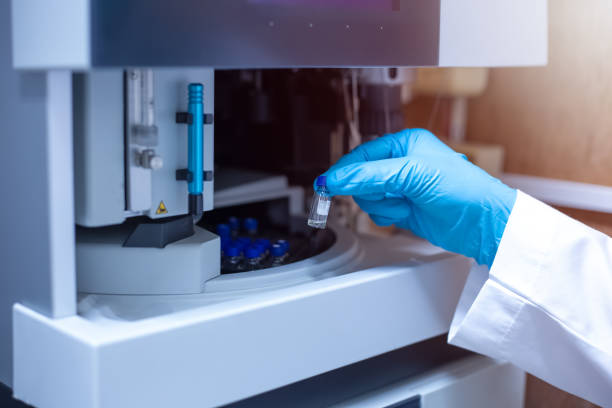
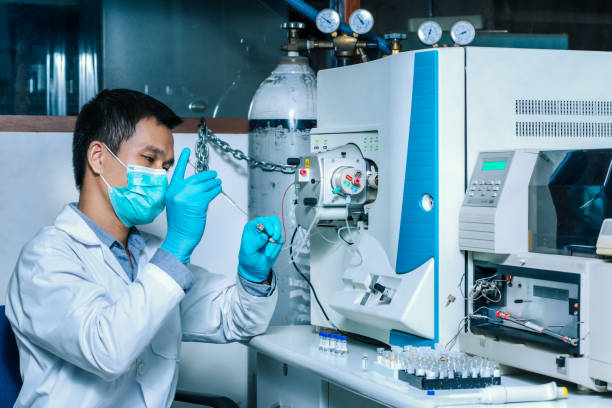
High Performance Liquid Chromatography, commonly known as HPLC, is one of the most widely used analytical methods in peptide purity testing. Laboratories rely on HPLC because it provides detailed information regarding sample composition and purity.
HPLC works by separating components within a peptide sample based on their interactions with a chromatographic system. As the sample moves through the analytical column, different components separate according to their chemical properties.
The resulting chromatogram allows researchers to evaluate peptide purity and identify potential impurities. Peaks within the chromatogram correspond to specific components, enabling scientists to determine relative concentrations and assess overall sample quality.
One of the major advantages of HPLC is its ability to provide highly reproducible results. Laboratories frequently use HPLC as a routine quality control tool because of its reliability and analytical precision.
Researchers often review HPLC data when evaluating peptide materials prior to experimental use. The information obtained through chromatographic analysis contributes significantly to quality assurance and material verification efforts.
Mass Spectrometry Analysis
Mass spectrometry is another essential tool used in peptide purity testing. This analytical technique provides detailed information regarding molecular weight and helps researchers confirm peptide identity.
Mass spectrometry works by measuring the mass-to-charge ratio of ionized molecules. These measurements allow scientists to verify that peptide samples match expected molecular specifications.
Identity confirmation is an important aspect of quality assurance. Even highly pure samples may not be suitable for research if the peptide sequence or molecular structure differs from expectations. Mass spectrometry helps address this concern by providing accurate molecular verification.
In addition to confirming identity, mass spectrometry may help researchers detect impurities and degradation products. Combining mass spectrometry with chromatographic techniques often provides a more comprehensive understanding of sample quality.
The precision and sensitivity of modern mass spectrometry systems have made this technique an essential component of peptide analysis and laboratory quality control.
Amino Acid Analysis
Amino acid analysis provides another valuable approach for evaluating peptide composition. This technique involves measuring the amino acids present within a peptide sample and comparing the results to expected values.
Researchers use amino acid analysis to verify peptide composition, evaluate manufacturing consistency, and support identity confirmation efforts. The technique may also provide information regarding degradation processes and sample stability.
By understanding amino acid profiles, laboratories can gain additional confidence in peptide quality and ensure that materials meet established specifications.
Amino acid analysis is often used alongside other analytical methods to create a comprehensive quality assessment program. Combining multiple testing approaches helps improve accuracy and supports stronger quality assurance practices.
Peptide Identity Verification
Identity verification is a critical step in peptide purity testing. Researchers must confirm that peptide samples correspond to the intended sequence and molecular characteristics before incorporating them into scientific studies.
Verification procedures typically involve multiple analytical techniques, including mass spectrometry, chromatographic analysis, and composition evaluation. These methods help researchers confirm that samples meet expected specifications.
Accurate identity verification reduces the risk of sample mix-ups and manufacturing errors. It also supports reproducibility by ensuring that researchers are working with correctly characterized materials.
Strong identity verification procedures contribute to overall research reliability and help laboratories maintain high standards throughout the scientific process.
Laboratory Documentation
Laboratory documentation is an essential component of peptide purity testing. Accurate records help researchers track sample history, verify analytical results, and maintain traceability throughout the research process.
Documentation typically includes information such as peptide identification, batch numbers, testing dates, analytical methods, storage conditions, and quality assessment results. These records provide researchers with a comprehensive overview of sample characteristics and quality metrics.
Maintaining detailed documentation supports transparency and helps laboratories investigate potential issues when they arise. Researchers can review historical records to identify trends, compare results, and verify compliance with established procedures.
Documentation also plays an important role in reproducibility. Scientific investigations often require researchers to repeat experiments or compare results across multiple studies. Well-maintained records help ensure consistency and support reliable scientific outcomes.
Many laboratories utilize electronic documentation systems to improve organization and accessibility. Digital recordkeeping can enhance efficiency while supporting quality assurance programs and regulatory compliance efforts.
Common Purity Testing Challenges
Although modern analytical methods provide valuable information regarding peptide quality, researchers may encounter several challenges during purity testing.
Complex Impurity Profiles
Some peptide samples contain multiple impurities that can be difficult to identify and characterize. Analytical techniques must be carefully selected to ensure accurate evaluation of sample composition.
Sample Stability Concerns
Peptides may degrade over time if exposed to unfavorable environmental conditions. Degradation products can complicate purity assessments and influence analytical results.
Instrument Calibration
Analytical instruments require regular maintenance and calibration. Inaccurate calibration may affect testing results and reduce confidence in quality assessments.
Data Interpretation
Analytical testing generates significant amounts of data that must be interpreted correctly. Researchers should understand the limitations of testing methods and evaluate results within the context of specific research objectives.
Batch Variability
Differences between production batches may influence analytical findings. Consistent testing procedures help laboratories identify and manage variability effectively.
Resource Requirements
Advanced analytical testing often requires specialized equipment, trained personnel, and dedicated laboratory resources. Proper planning helps laboratories maintain efficient quality assurance programs.
Understanding these challenges allows researchers to develop stronger testing strategies and improve the reliability of purity evaluations.
Future Developments in Analytical Testing
The field of peptide analysis continues to evolve as new technologies become available. Researchers now have access to increasingly sophisticated analytical platforms capable of generating highly detailed information regarding peptide composition and quality.
Advances in chromatography have improved separation efficiency and analytical accuracy. Modern systems can identify impurities at lower concentrations and provide more comprehensive quality assessments.
Mass spectrometry technology continues to advance as well. Enhanced sensitivity and improved data analysis capabilities allow researchers to characterize peptide samples with greater precision than ever before.
Automation is becoming increasingly common within analytical laboratories. Automated workflows help reduce human error, improve consistency, and increase testing efficiency.
Artificial intelligence and advanced computational tools may further transform peptide analysis in the future. These technologies have the potential to improve data interpretation, identify emerging trends, and support more effective quality management practices.
As scientific research continues to expand, analytical testing methods will remain essential for maintaining peptide quality and supporting reliable experimental outcomes.
Frequently Asked Questions
What is peptide purity testing?
Peptide purity testing refers to analytical procedures used to determine the percentage of the desired peptide sequence within a sample while identifying impurities and contaminants.
Why is peptide purity important?
Purity affects experimental reliability and reproducibility. High-purity peptides help reduce unwanted variables and support more accurate scientific investigations.
What analytical method is most commonly used for purity testing?
High Performance Liquid Chromatography (HPLC) is one of the most widely used methods because it provides detailed information regarding sample composition and impurity levels.
What role does mass spectrometry play in peptide testing?
Mass spectrometry helps verify peptide identity by measuring molecular weight and confirming that samples meet expected specifications.
Can impurities affect research results?
Yes. Impurities may introduce variables that influence experimental outcomes and reduce confidence in scientific findings.
Why is documentation important during purity testing?
Documentation supports traceability, quality assurance, transparency, and reproducibility throughout the research process.
Conclusion
Peptide purity testing is a fundamental aspect of modern laboratory research. Researchers depend on accurate analytical evaluations to verify sample quality, identify impurities, and ensure that peptide materials meet established standards before experimental use.
Analytical methods such as High Performance Liquid Chromatography, mass spectrometry, amino acid analysis, and identity verification procedures provide valuable information regarding sample composition and quality. These techniques help laboratories maintain high standards and support reliable scientific investigations.
Strong purity testing programs contribute to reproducibility, improve confidence in research findings, and help laboratories make informed decisions regarding peptide selection and experimental design. By understanding the principles and methods discussed in this guide, researchers can strengthen quality assurance efforts and improve the overall reliability of peptide-based research.
As analytical technologies continue to advance, peptide purity testing will remain an essential tool for ensuring scientific accuracy and supporting ongoing innovation within the research community. Researchers new to peptide science should first review our Research Peptides Guide to better understand the fundamentals of peptide research. Proper storage procedures are equally important, which is why laboratories should also review our Peptide Storage Guide. Purity verification works alongside broader quality assurance systems discussed in our Peptide Quality Control article. Researchers seeking laboratory materials can browse our Research Peptides Shop for additional products and resources. For information regarding website policies and customer responsibilities, please review our Terms and Conditions page.
Many peer-reviewed publications discussing peptide purity testing are available through the PubMed Research Database. Researchers can access scientific educational resources through the National Institutes of Health. Additional laboratory research guidance can be found through the World Health Organization.