Introduction
Proper peptide storage is one of the most important yet often overlooked aspects of laboratory research. Researchers invest significant resources in obtaining high-quality peptide materials, but improper storage can quickly reduce sample integrity and negatively impact experimental outcomes. A well-designed peptide storage strategy helps preserve peptide quality, maintain stability, and improve the reliability of scientific investigations.
Peptides are sensitive biological compounds composed of amino acid chains. Their stability can be affected by environmental conditions such as temperature, humidity, light exposure, oxidation, and contamination. Because of these factors, researchers must implement appropriate storage procedures from the moment a peptide is received until it is used in laboratory applications.
Modern laboratories rely on peptides for a wide range of scientific investigations. These compounds are commonly used in molecular biology, biochemistry, analytical testing, receptor interaction studies, and protein research. Maintaining peptide stability is essential for ensuring that experimental results remain consistent and reproducible over time.
Understanding the principles of proper peptide storage allows researchers to minimize degradation risks, extend sample lifespan, and protect valuable research materials. Laboratories that follow structured storage protocols often experience fewer issues related to sample loss, contamination, and experimental variability.
This peptide storage guide explains the most important storage principles, environmental factors, handling techniques, and preservation strategies that researchers should understand when working with peptide materials.
What Is a Peptide Storage Guide?
A peptide storage guide is a collection of best practices designed to help researchers maintain peptide integrity throughout laboratory use. These guidelines provide recommendations regarding temperature control, moisture protection, handling procedures, contamination prevention, and long-term preservation.
Peptides are highly specialized research materials. Although many peptides demonstrate good stability under appropriate conditions, they can degrade when exposed to unfavorable environments. Storage guidelines help researchers reduce these risks and maintain sample quality.
The goal of a peptide storage guide is not simply to preserve peptides for as long as possible. Instead, it focuses on preserving the biological and chemical characteristics that make peptides useful for scientific research. Proper storage helps ensure that peptides continue to perform as expected throughout the research process.
Storage recommendations may vary depending on peptide composition, purity level, formulation, and intended application. Some peptides are highly stable and require only standard laboratory precautions. Others are more sensitive and demand stricter environmental controls.
Researchers who understand these differences can make informed decisions regarding storage strategies and handling procedures.
Why Proper Peptide Storage Matters
Proper peptide storage plays a critical role in scientific accuracy. When peptides degrade, their structure may change, potentially affecting experimental outcomes and reducing reproducibility.
Many laboratory studies depend on highly controlled conditions. Even minor changes in peptide quality can influence experimental data and introduce unnecessary variables into research findings. Maintaining proper storage conditions helps reduce these risks and supports consistent scientific results.
Peptide degradation can also increase research costs. Replacing damaged materials requires additional time, resources, and financial investment. Laboratories that prioritize proper storage often reduce waste and improve operational efficiency.
Another important consideration is reproducibility. Scientific research depends on the ability to repeat experiments and obtain similar results. Stable peptide samples contribute to reliable data generation and support long-term research objectives.
Proper storage also helps laboratories maintain quality assurance standards. Many organizations include storage procedures within broader quality management systems designed to support compliance, traceability, and research integrity.
Factors That Affect Peptide Stability
Understanding the factors that influence peptide stability is essential for developing effective storage procedures.
Temperature
Temperature has a significant impact on peptide preservation. Higher temperatures accelerate chemical reactions that may contribute to degradation. Lower temperatures generally help slow these reactions and extend peptide stability.
Moisture
Moisture exposure can trigger hydrolysis and other degradation processes. Protecting peptides from humidity is particularly important for lyophilized materials because moisture can compromise stability over time.
Oxygen
Certain amino acids are susceptible to oxidation. Exposure to oxygen may alter peptide characteristics and reduce overall quality. Proper packaging and storage practices help minimize oxidation risks.
Light
Some peptides are sensitive to ultraviolet radiation and prolonged exposure to light. Storing samples in dark environments or opaque containers can help protect against photodegradation.
Contamination
Microbial contamination and cross-contamination can affect sample quality. Researchers should use clean handling procedures and maintain controlled laboratory environments.
Freeze-Thaw Cycles
Repeated freezing and thawing can stress peptide structures and contribute to degradation. Minimizing unnecessary freeze-thaw cycles is an important component of long-term storage strategies.
Lyophilized vs Reconstituted Peptides
One of the most important concepts in peptide storage involves understanding the difference between lyophilized and reconstituted peptides.
Lyophilized Peptides
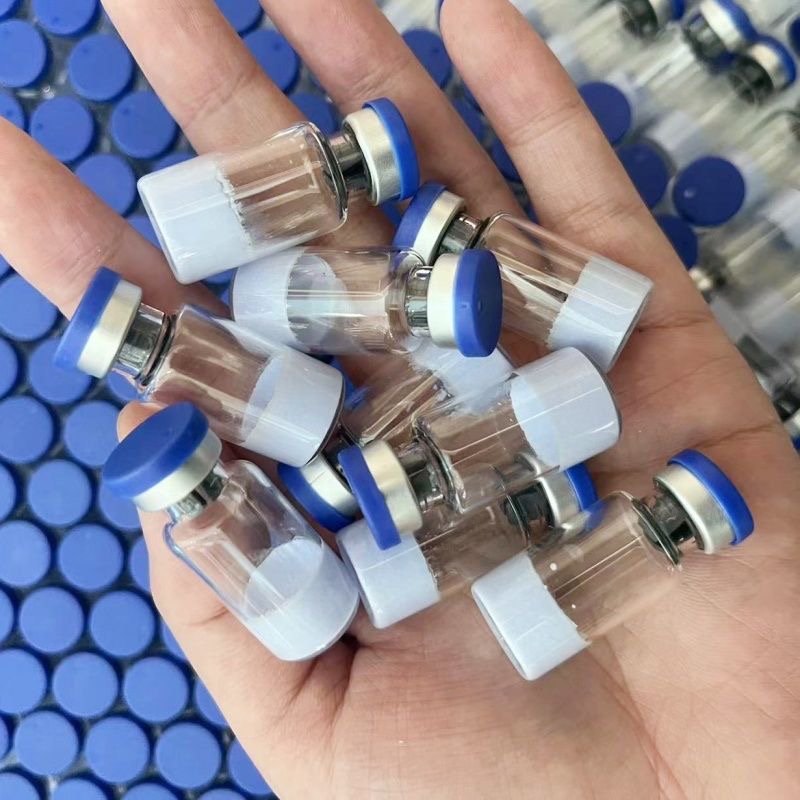
Lyophilization removes water from peptide preparations through a freeze-drying process. The resulting powder typically exhibits greater stability than liquid solutions.
Because moisture has been removed, many degradation pathways occur more slowly. Researchers often choose to store peptides in lyophilized form for extended periods because this approach supports long-term preservation.
Lyophilized peptides should remain protected from humidity, contamination, and unnecessary temperature fluctuations. Proper packaging helps maintain stability throughout storage.
Reconstituted Peptides
Reconstituted peptides have been dissolved in a suitable solvent and prepared for laboratory use. Once dissolved, peptides generally become more vulnerable to degradation.
Liquid solutions often require stricter storage controls than dry powders. Researchers should carefully follow storage recommendations and monitor usage timelines to maintain sample quality.
Because reconstituted peptides may degrade more rapidly, laboratories often prepare only the quantity needed for immediate research activities. Remaining material may be divided into aliquots to reduce repeated handling.
Choosing the Right Storage Approach
The decision to store peptides in lyophilized or reconstituted form depends on research requirements, expected usage frequency, and peptide-specific characteristics. Understanding these factors helps researchers develop effective preservation strategies.
Recommended Storage Temperatures
Temperature control is one of the most important aspects of peptide preservation.
Room Temperature Storage
Room-temperature storage should generally be limited to short-term situations. Extended exposure to ambient conditions can increase degradation risks and reduce peptide stability.
Researchers should minimize the amount of time peptides spend at room temperature during handling and preparation activities.
Refrigerated Storage
Refrigeration is commonly used for short-term peptide storage. Lower temperatures help slow degradation while allowing convenient access for routine laboratory use.
Stable refrigeration conditions are important because temperature fluctuations can affect sample quality.
Freezer Storage
Freezer storage is widely used for long-term preservation. Lower temperatures reduce molecular activity and slow degradation processes that may otherwise compromise peptide integrity.
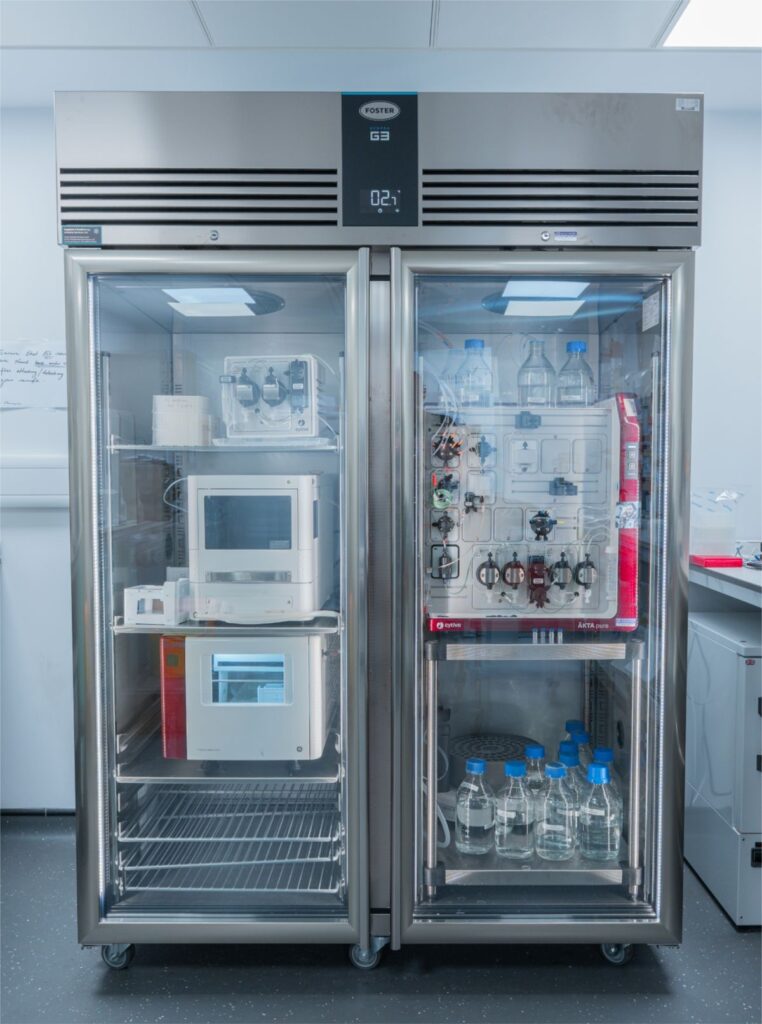
Laboratories frequently use dedicated storage systems to maintain consistent freezer conditions and protect valuable research materials.
Ultra-Low Temperature Storage
Some highly sensitive peptides may benefit from ultra-low temperature environments. These conditions provide additional protection and may support extended preservation periods.
Researchers should evaluate peptide-specific recommendations when determining whether ultra-low temperature storage is necessary.
Temperature Monitoring
Monitoring storage conditions helps ensure that temperature requirements are maintained consistently. Laboratories often implement monitoring systems that provide alerts when environmental conditions fall outside acceptable ranges.
Reliable monitoring helps protect peptide samples and supports quality assurance efforts.
Protecting Peptides from Moisture
Moisture is one of the most common causes of peptide degradation. Even small amounts of water exposure can initiate chemical reactions that affect peptide stability and reduce sample quality. Researchers should take proactive measures to protect peptides from humidity throughout storage and handling.
Lyophilized peptides are particularly sensitive to moisture because they are stored in a dry state. Once moisture enters the storage container, hydrolysis reactions may occur, potentially damaging peptide structures. To minimize this risk, laboratories often use tightly sealed containers and desiccant materials designed to absorb excess humidity.
Storage environments should remain dry and stable. Researchers should avoid leaving peptide containers open for extended periods and should return samples to appropriate storage conditions immediately after use. Consistent moisture control contributes significantly to long-term peptide preservation.
Proper packaging also plays an important role. Many laboratories use airtight vials and protective storage systems that help reduce exposure to environmental humidity. These precautions help maintain peptide integrity and support reliable research outcomes.
Preventing Contamination During Handling
Contamination can compromise peptide quality and negatively affect laboratory studies. Researchers should implement strict handling procedures to minimize contamination risks throughout the research process.
One of the most effective approaches involves maintaining clean work environments. Laboratory surfaces should be regularly sanitized, and researchers should use appropriate protective equipment when handling peptide samples.
Sterile tools and equipment help prevent the introduction of unwanted materials. Pipettes, containers, and laboratory instruments should be properly cleaned and maintained according to established protocols.
Cross-contamination is another important concern. Researchers working with multiple peptide samples should establish procedures that reduce the risk of accidental mixing or transfer between materials. Proper labeling systems help support these efforts and improve laboratory organization.
Documentation of handling activities can further enhance quality assurance. Recording storage locations, usage dates, and handling procedures helps maintain traceability and supports scientific reproducibility.
How Freeze-Thaw Cycles Affect Peptides
Repeated freeze-thaw cycles represent a significant challenge in peptide preservation. Each cycle can place stress on peptide structures, potentially contributing to degradation over time.
When peptides are repeatedly frozen and thawed, molecular changes may occur that affect stability and performance. These effects can become more pronounced when samples experience frequent temperature fluctuations.
Researchers often reduce freeze-thaw exposure by dividing peptide solutions into smaller aliquots. Aliquoting allows laboratories to use individual portions as needed without repeatedly thawing the entire sample.
Careful planning can significantly reduce freeze-thaw-related risks. Researchers should estimate expected usage requirements and prepare storage strategies accordingly. Maintaining organized sample inventories helps support efficient laboratory workflows while protecting peptide integrity.
Proper documentation of freeze-thaw events may also help researchers evaluate potential impacts on experimental outcomes. Understanding sample history contributes to better quality control and improved research reliability.
Long-Term Peptide Storage Best Practices
Long-term storage requires careful consideration of environmental conditions, packaging methods, and handling procedures. Laboratories that implement structured preservation strategies often achieve better results when storing peptides for extended periods.
Maintaining stable temperatures is one of the most important long-term storage practices. Consistent storage conditions help minimize degradation and reduce variability between samples.
Protecting peptides from moisture remains equally important during extended storage. Laboratories frequently utilize sealed containers, desiccants, and humidity-controlled environments to support preservation efforts.
Proper labeling systems help researchers identify samples quickly and accurately. Labels should include relevant information such as peptide name, batch number, storage date, and other laboratory-specific details.
Regular inspections can help identify potential issues before they become significant problems. Researchers should periodically review storage conditions, monitor equipment performance, and verify that samples remain properly protected.
Long-term storage plans should also include contingency procedures for equipment failures or unexpected environmental changes. Preparing for these situations helps protect valuable research materials and supports continuity in laboratory operations.
Common Peptide Storage Mistakes
Understanding common storage mistakes can help researchers avoid unnecessary complications and preserve peptide quality more effectively.
Storing Peptides at Improper Temperatures
One of the most frequent mistakes involves exposing peptides to temperatures outside recommended ranges. Inappropriate storage conditions can accelerate degradation and reduce sample stability.
Excessive Freeze-Thaw Cycles
Repeated freezing and thawing can negatively affect peptide integrity. Researchers should minimize these events through careful planning and aliquoting strategies.
Poor Moisture Control
Allowing peptides to absorb moisture can compromise sample quality. Proper sealing and humidity management are essential components of effective storage procedures.
Inadequate Labeling
Insufficient labeling increases the risk of confusion and handling errors. Clear identification systems improve laboratory efficiency and support quality assurance efforts.
Improper Handling Techniques
Careless handling may introduce contamination or expose samples to unfavorable environmental conditions. Following standardized procedures helps reduce these risks.
Lack of Documentation
Failure to maintain accurate records can complicate quality control efforts and reduce reproducibility. Documentation supports transparency and helps researchers track sample history.
Laboratory Documentation and Labeling
Accurate documentation is an important part of every peptide storage program. Comprehensive records help researchers maintain consistency, improve traceability, and support quality management objectives.
Laboratories often record information such as storage locations, temperature conditions, sample preparation details, handling activities, and usage history. These records help researchers understand how samples have been managed throughout their lifecycle.
Labeling systems should be clear, organized, and easy to interpret. Effective labels typically include peptide identification, batch information, storage dates, and other relevant details.
Digital inventory systems can further enhance organization and improve accessibility. Many laboratories use electronic databases to track samples and maintain documentation efficiently.
Strong documentation practices contribute to reproducibility and support compliance with established research standards. Researchers who maintain detailed records are often better positioned to evaluate experimental outcomes and identify potential sources of variability.
Frequently Asked Questions
What is the ideal storage temperature for peptides?
The ideal storage temperature depends on the specific peptide and its intended use. Researchers should follow manufacturer recommendations and laboratory guidelines to determine appropriate storage conditions.
Why are lyophilized peptides generally more stable?
Lyophilized peptides contain very little moisture, which helps reduce degradation pathways and supports long-term preservation.
How can researchers reduce freeze-thaw damage?
Aliquoting samples into smaller portions helps minimize repeated freeze-thaw cycles and supports better peptide preservation.
Why is moisture control important?
Moisture can initiate hydrolysis and other chemical reactions that compromise peptide stability. Maintaining dry storage conditions helps protect sample quality.
What role does documentation play in peptide storage?
Documentation supports traceability, quality assurance, reproducibility, and laboratory organization. Accurate records help researchers monitor sample history and evaluate experimental outcomes.
How often should storage conditions be monitored?
Monitoring frequency depends on laboratory requirements, but regular inspections help ensure that environmental conditions remain within acceptable ranges.
Conclusion
Proper peptide storage is a critical component of successful laboratory research. By understanding the factors that influence peptide stability and implementing appropriate preservation strategies, researchers can maximize sample quality and improve experimental reliability.
Temperature control, moisture protection, contamination prevention, careful handling, and accurate documentation all contribute to effective peptide preservation. Laboratories that prioritize these practices often experience improved reproducibility, reduced waste, and stronger research outcomes.
As scientific investigations continue to expand, maintaining high standards for peptide storage will remain an important part of laboratory operations. Researchers who follow structured storage procedures can protect valuable materials, support scientific integrity, and achieve more consistent results throughout their studies.
Proper storage is only one aspect of maintaining research quality. Researchers should also understand the broader principles discussed in our Research Peptides Guide to improve laboratory consistency and scientific accuracy. Laboratories seeking high-quality materials can browse our Research Peptides Shop to explore a wide range of peptide products designed for scientific research applications. Researchers should review our Shipping Policy before placing an order to better understand processing times, shipping procedures, and delivery expectations. For information regarding website usage requirements and customer responsibilities, please review our Terms and Conditions page. Additional information regarding data collection and privacy practices can be found in our Privacy Policy.
Researchers interested in peptide stability research can explore educational resources available through the National Institutes of Health. Many peer-reviewed studies discussing peptide storage and laboratory procedures can be found through the PubMed Research Database. Scientists can also review laboratory best practices and scientific resources published by the World Health Organization.